
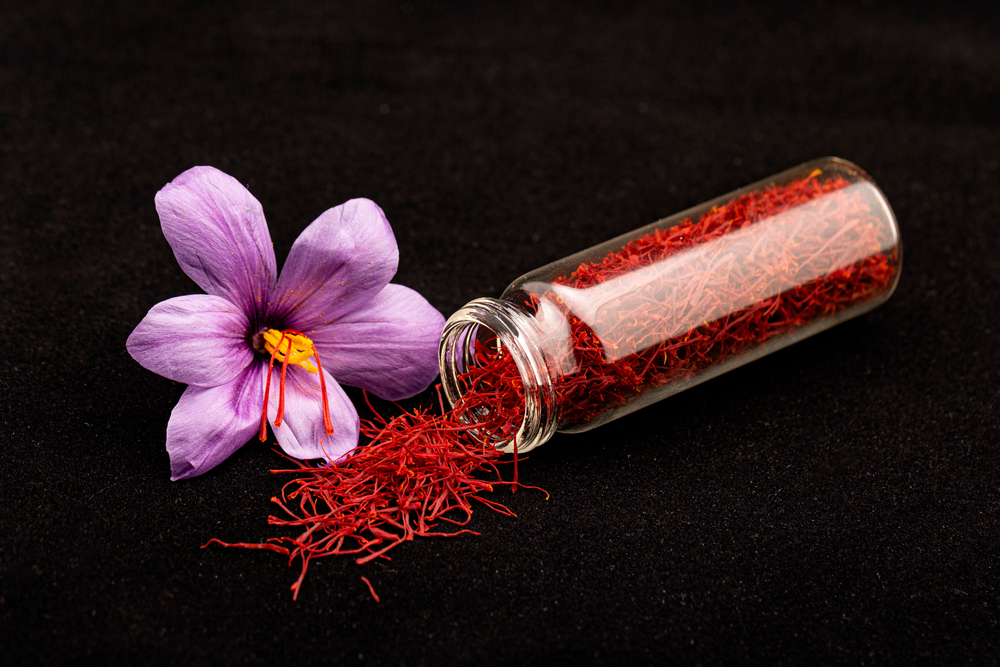
Being known as a red gold in the kitchen, Saffron is one of the best spices in the world; here we want to explore some interesting facts about it :
- Most Expensive Spice: Saffron is the world’s most expensive spice by weight. It can cost anywhere from $500 to $5,000 per pound due to the labor-intensive process of harvesting it.
- Labor-Intensive Harvesting: It takes about 75,000 saffron flowers to produce just one pound of saffron. Each flower has only three stigma threads, which are handpicked and dried.
- Ancient History: Saffron has been used for over 3,000 years. It was prized by ancient civilizations like the Egyptians, Greeks, and Romans for its medicinal properties, dyeing capabilities, and as a luxury spice.
- Medicinal Uses: Historically, saffron has been used to treat over 90 disorders, including stomach ailments, plague, and smallpox. Modern studies suggest it has potential benefits for mood enhancement, depression relief, and PMS symptom reduction.
- Culinary Versatility: Saffron is a key ingredient in many traditional dishes across different cultures, such as Spanish paella, Indian biryani, and Italian risotto.
- Distinctive Flavor and Aroma: Saffron has a unique flavor that is often described as earthy, grassy, and slightly sweet. Its aroma is similarly complex, adding an exotic touch to dishes.
- Color and Composition: The vibrant color of saffron comes from a compound called crocin. This compound is also responsible for many of saffron’s health benefits due to its antioxidant properties.
- Symbol of Luxury and Purity: Throughout history, saffron has symbolized luxury, purity, and beauty. Cleopatra is said to have used saffron in her baths for its aromatic and cosmetic properties.
- Cultural Significance: In some cultures, saffron is used in religious rituals and festivals. It is often associated with spirituality and is used in offerings and ceremonial dishes.
- Grown in Specific Regions: While saffron is grown in several countries, the top producers are India, Spain, and Greece. The specific climate and soil conditions in these regions contribute to the high quality of the saffron produced.
- Imitation and Adulteration: Due to its high cost, saffron is often subject to imitation and adulteration. Sometimes, lower-quality saffron or other substances are mixed in to increase weight. Authentic saffron threads are deep red with a slight yellow tendril.
- Harvest Season: Saffron is typically harvested in the fall. The flowers bloom for only a few weeks, and the harvesting must be done quickly and meticulously to ensure the highest quality.
- Saffron in Literature and Art: Saffron has been mentioned in various literary and historical texts, including the Bible, ancient Greek mythology, and classic literature. It has also been depicted in art throughout the ages.
Conclusion
Saffron is not just a spice but a symbol of history, culture, and culinary excellence. Its fascinating journey from flower to table, combined with its unique properties, makes it one of the most revered and treasured spices in the world.