
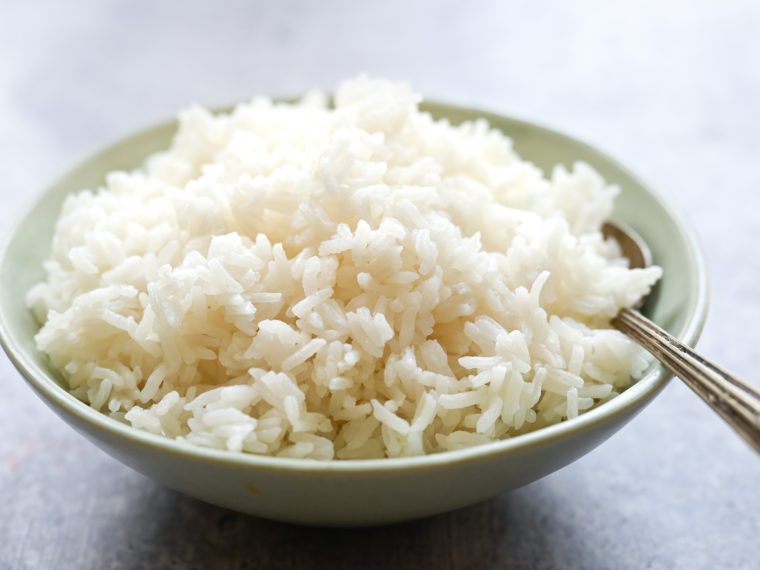
Rice is a keystone of gluten-free diets around the world. As a naturally gluten-free grain, it provides a safe, nutritious, and versatile option for individuals who must avoid gluten due to celiac disease, gluten intolerance, or personal preferences. Its widespread availability, affordability, and adaptability make it a staple in countless recipes.
In this article, we’ll explore rice’s nutritional benefits and its role in creating exciting gluten-free meals, with insights into why it’s so beloved in gluten-free living.
The Nutritional Benefits of Rice for Gluten-Free Diets
Let’s discover in more detail:
Why Rice is Ideal for Gluten-Free Living
Rice is a gluten-free grain by nature, making it an automatic choice for individuals with gluten-related dietary needs. Unlike wheat, barley, and rye, rice is free from the proteins that can trigger allergic reactions or digestive issues in sensitive individuals.
One of rice’s greatest strengths is its hypoallergenic quality. Many gluten-free substitutes may still cause reactions in people with multiple food sensitivities. Rice, however, is a low-risk ingredient, safe for almost everyone. Its bland flavor and soft texture make it especially suitable for children, seniors, or those with digestive challenges.
Rice’s Nutritional Advantages
Rice offers essential macronutrients like carbohydrates, which provide energy for daily activities. In addition to energy, certain rice varieties deliver a wealth of vitamins, minerals, and fiber. For instance:
- Brown rice is rich in dietary fiber and retains more nutrients because it keeps its bran and germ intact. It’s an excellent source of magnesium, which supports heart health.
- White rice is more processed but often fortified with iron and B vitamins, making it a practical and affordable staple.
- Wild rice is a protein powerhouse and contains antioxidants that help fight inflammation.
The selenium, magnesium, and phosphorus in rice contribute to stronger bones, better immunity, and improved metabolism. These attributes make rice a nutritionally supportive choice in gluten-free diets.
Types of Rice and Their Uses
The variety of rice available allows it to meet diverse needs. Long-grain rice like basmati and jasmine works well in light, fluffy dishes, while short-grain rice is ideal for creamy risottos and sushi. Sticky rice, a staple in Asian cuisine, is great for desserts and snacks. Each type enhances the gluten-free diet’s flexibility and appeal.
The Versatility of Rice in Gluten-Free Recipes
Let’s dive into the details:
Using Rice as a Culinary Base
Due to its adaptability, rice is the foundation of countless gluten-free meals. It complements various flavors, absorbs seasonings beautifully, and fits seamlessly into any course of a meal. Gluten-free diets often rely on rice because it can replace traditional gluten-containing grains in almost any dish.
Rice flour, derived from milled rice, is an excellent substitute for wheat flour in baked goods. It’s a go-to ingredient for making cakes, cookies, and bread. Rice flour also thickens sauces and soups without compromising taste or texture.
Popular Gluten-Free Dishes Featuring Rice
Rice is the star of many iconic dishes, proving its role as a culinary butterfly. Some examples include:
- Rice Noodles: Ideal for stir-fries, soups, or cold salads.
- Fried Rice: A versatile main dish incorporating vegetables, proteins, and savory flavors.
- Sushi Rolls: Rice binds together fillings like fish, avocado, or vegetables for a nutritious snack or meal.
- Rice Pudding: A creamy dessert that’s naturally gluten-free.
For those seeking variety, try swapping rice for grains like couscous or bulgur in pilafs. Rice also shines as a stuffing for peppers or tomatoes, delivering both flavor and texture.
Enhancing Gluten-Free Rice Recipes
Cooking rice for gluten-free recipes is simple yet rewarding. For fluffier rice, rinse it thoroughly to remove excess starch. Cooking it in flavorful liquids, such as chicken broth or coconut milk, adds richness. Incorporating spices like turmeric, cardamom, or chili powder elevates dishes from basic to gourmet.
Pair rice with fresh vegetables, lean proteins, or legumes to create balanced, gluten-free meals. For extra indulgence, experiment with rice-based desserts by adding fruits, nuts, or sweeteners like honey.
Conclusion
Rice has earned its place as a vital component of gluten-free diets. Its natural gluten-free status, nutritional benefits, and culinary adaptability make it a reliable and satisfying staple for millions worldwide. Whether you prefer the nutrient density of brown rice, the convenience of white rice, or the bold flavors of wild rice, this grain offers something for everyone.
From hearty main dishes to sweet desserts, rice enhances gluten-free living with ease and creativity. Incorporating rice into your meals is not only practical but also a delicious way to enjoy the diverse possibilities of gluten-free cuisine.